Service / Fractional CTO

Senior technical leadership, without the executive hire

For scale-ups whose technical decisions have outgrown their leadership bench. We take ownership of architecture calls, roadmap reality, engineering standards, and stakeholder truth, 10 to 30 hours a week, for as long as it takes to build the internal muscle.

This is you

Decisions are being made by default, not by design

Technical decisions stall, or happen by inertia

Build vs. buy, architecture direction, platform bets. Nobody senior owns the call, so the loudest opinion or the path of least resistance wins.

The roadmap promises what the team cannot keep

Commitments are made without an engineering reality check. Every quarter ends with the same conversation about why things slipped.

Architecture drifts with every sprint

Each feature adds structure nobody designed. The system grows, but no one is steering where it grows.

Hiring without a technical bar

Interviews happen, offers go out, but there is no senior judgment defining what good looks like for your stage.

The board asks questions engineering cannot answer

Risk, capacity, timelines, technical debt. Leadership needs an honest technical voice in the room, not a status report.

The reframe

The gap is judgment, not headcount

Most scale-ups at this stage do not need a full-time CTO salary, an equity package, and a six-month search. They need senior technical judgment applied consistently: on architecture, on the roadmap, on the team, and in front of stakeholders. That is a fraction of a week, every week, from someone who has carried the pager and the P&L conversation.

The framework

What routes through the leadership layer

We install a decision architecture: the calls that must pass through senior judgment, and the ones your team should own.

INCOMING DECISIONSLEADERSHIP LAYEROWNED BY TEAMESCALATED
The calls that route through the leadership layer

The decisions that must pass through senior judgment, drawn as a system. Everything else stays with your team — so the layer never becomes the bottleneck.

Strategy

Is the technical direction serving the business?

Technology strategy and roadmap reality-check, aligned to commercial goals.

  • Technical strategy
  • Roadmap reality check
  • Build vs. buy decisions
  • Platform and vendor bets
  • Investment sequencing

Operations

Is the team set up to deliver?

Team structure, standards, and the visibility leadership needs.

  • Team structure and hiring bar
  • Engineering standards
  • Mentoring senior engineers
  • Stakeholder reporting
  • Risk and capacity visibility

Technology

Will the architecture hold?

Decisions that hold up under growth, made and documented.

  • Architecture decisions and records
  • Scalability and reliability
  • Security posture
  • Technical debt strategy
  • Delivery and release maturity

The process

The first 90 days

01
Weeks 1-2

Read the system

Architecture, roadmap, team, delivery data, and the decisions currently stuck. A working diagnostic, not a listening tour.

02
Weeks 2-6

Take the stuck decisions

The build-vs-buy calls, the architecture direction, the commitments that need an honest reality check. Decided, documented, communicated.

03
Weeks 6-12

Install the decision architecture

What routes through the leadership layer, what the team owns, and the standards that keep quality consistent without bottlenecking on one person.

04
Ongoing

Build the internal muscle

Mentoring your strongest engineers into the decisions, so the leadership layer becomes yours, not ours.

Outcomes

What changes

  1. 01 / 04

    Decisions get made

    Architecture, platform, and roadmap calls happen on time, with rationale the whole team can read.

  2. 02 / 04

    The roadmap becomes honest

    Commitments carry an engineering reality check before they reach the board.

  3. 03 / 04

    Stakeholders get a technical voice

    Risk, capacity, and progress reported straight, in business language.

  4. 04 / 04

    The team levels up

    A hiring bar, standards, and mentoring that outlast the engagement.

Who Delivers This

Learn more about the team
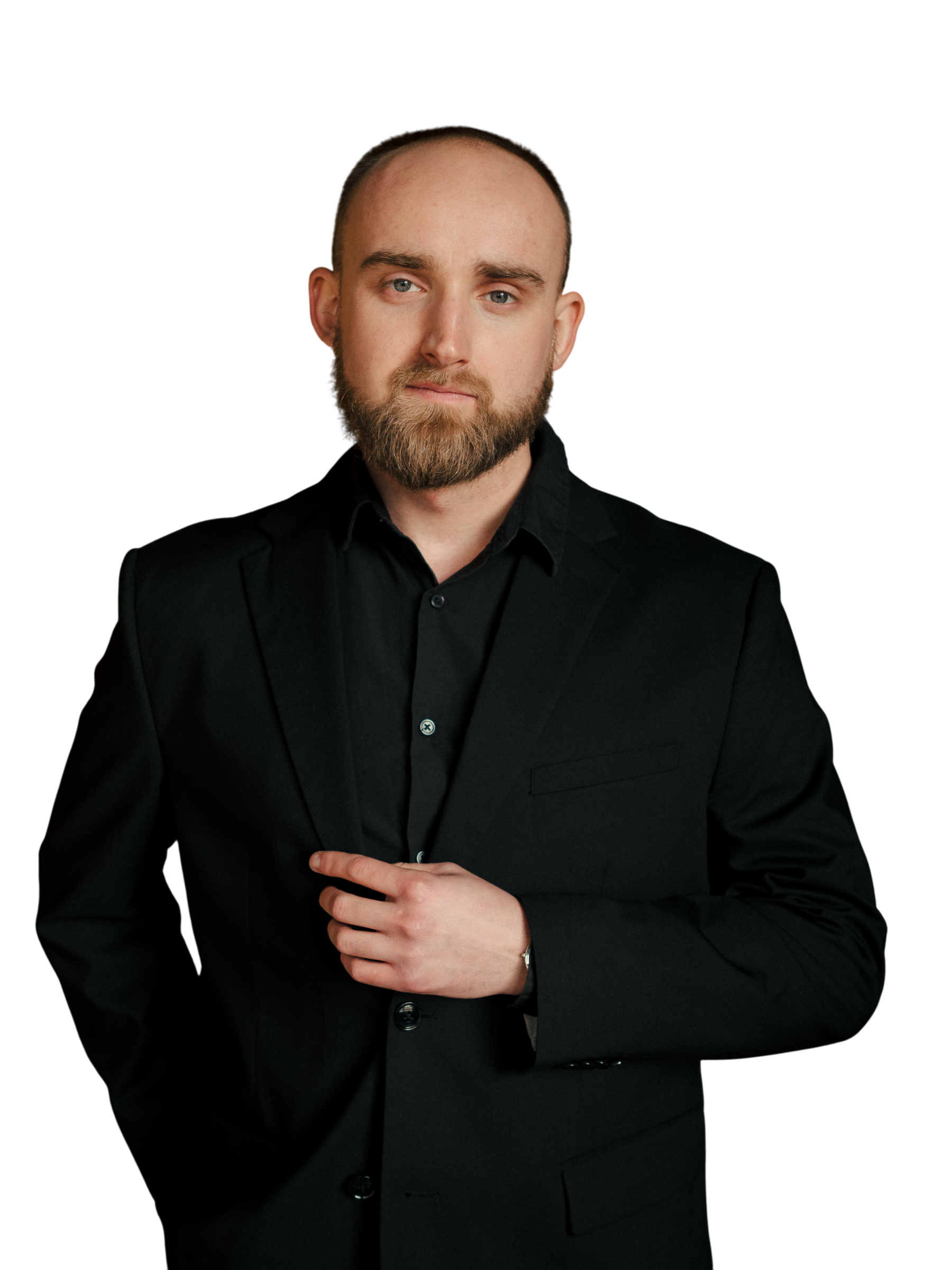
Portrait of Yurii Kotula

Yurii Kotula

CEO & Engineering Leader

10+ years in engineering leadership. CEO of Intelvision, a software engineering company that has delivered 100+ software products for startups and scale-ups.

Yurii built the Strike Team model around one standard: senior ownership, strong architecture, and predictable execution. He ensures every engagement aligns technical decisions with real business outcomes, not just velocity, but impact.

Portrait of Wayne Arendse

Wayne Arendse

Strike Team Lead

20+ years in technology delivery and transformation. PMP and Lean Six Sigma Master Black Belt.

Wayne has scaled global engineering organizations (7 to 85 across 35 countries), built delivery systems with measurable performance metrics, and reduced cost of poor quality by up to 80%. He brings structure, accountability, and operational clarity to projects that have gone off the rails, and turns chaos into controlled delivery.

Case studies

Case 1

Identified up to $220k/month in delivery-related revenue leakage

Read the full case study

A software client had active development, ongoing releases, and a long-term product relationship, but delivery problems were starting to threaten the commercial value of the account.

Critical bugs, piecemeal releases, and work not tied to business objectives were creating a growing cost of poor quality. We built a business case around what poor delivery was costing and what fixing it could unlock.

Impact:

  • Estimated delivery-related revenue leakage: $50k-$220k/month
  • Broader potential monthly impact modeled around $315k
Case 2

Turned a small efficiency request into a $4.19M self-funding roadmap

Read the full case study

A modest time-saving ask uncovered a far larger structural constraint sitting underneath the day-to-day work.

We mapped the real opportunity and built a phased roadmap that pays for itself as it is delivered, rather than a single large bet.

Impact:

  • Modeled value of the phased roadmap: $4.19M
  • Each phase funds the next
Case 3

Turned a routine review into a €1.05M resilience business case

Read the full case study

A German funding intermediary with a well-built stack and a lean 24-person team had one systemic constraint: no tested recovery layer across eight interconnected systems — one WordPress database as the single source of truth for all of them.

A modest environment review uncovered €508K–€1.05M in modelled annual risk, unpriced and invisible until the numbers landed on paper. Reliability had quietly become the product.

Impact:

  • Modelled expected annual loss, quantified and phased out: €508K–€1.05M
  • Designed recovery time, from no tested restore: < 4 hrs

Questions

Frequently asked

What is a fractional CTO?

A fractional CTO is a senior technology executive who owns your architecture decisions, roadmap reality, engineering standards, and stakeholder communication on a part-time basis — typically 10 to 30 hours per week — without the cost of a full-time executive hire.

What does a fractional CTO do?

Makes the stuck technical decisions (build vs. buy, platform bets, architecture direction), reality-checks the roadmap, sets the hiring bar and engineering standards, and gives the board an honest technical voice.

When does a startup or scale-up need a fractional CTO?

When technical decisions have outgrown the leadership bench: decisions stall or happen by inertia, the roadmap promises what the team cannot keep, architecture drifts, and the board asks questions engineering cannot answer.

How much does a fractional CTO cost?

A fraction of a full-time CTO. You avoid the full salary, equity package, and six-month search, and pay only for the hours of senior judgment you actually need. Contact us for engagement pricing.

Fractional CTO vs. full-time CTO — which do we need?

Most scale-ups need consistent senior judgment, not a full-time salary. A fractional CTO covers the decision layer now and helps you define, interview for, and hand over to a full-time CTO when the stage justifies it.

How is a fractional CTO different from a CTO consultant or advisor?

We do not advise from the sidelines. We take ownership of decisions, sit in the meetings where they land, and stay accountable for outcomes — with hands close enough to the code to keep the judgment honest.

How many hours per week does the engagement take?

10 to 30 hours per week, typically for 3 to 12 months — enough presence to own the leadership layer, structured to transfer it rather than become permanent overhead.

What happens in the first 90 days?

Weeks 1–2: read the system. Weeks 2–6: take the stuck decisions. Weeks 6–12: install the decision architecture — what routes through senior judgment and what the team owns.

Will a fractional CTO become a bottleneck?

No. We install a decision architecture that defines which calls need senior judgment and which stay with your team, and we mentor your strongest engineers into the decisions.

What happens when we hire a full-time CTO?

That is a success case. We help define the role, set the bar, interview candidates, and hand over documented decision records instead of tribal knowledge.

Put senior judgment behind your technical decisions